How to Film a Strong Self-Tape at Home: A Practical Guide for Parents
If you are searching for clear, practical advice on how to film a self-tape for your child, you are certainly not alone. Across the children’s modelling and acting industry, self-tapes are now a standard part of the casting process, with many brands, casting directors and production companies requesting a filmed audition before deciding who to invite to a recall or book directly. If you are new to this world, you may also find our guide to
Child models: everything you need to know helpful, as it explains how the casting process works and what to expect.
For parents, particularly those navigating their first self-tape request, the process can feel slightly overwhelming. The reassuring news is that a strong, professional self-tape does not require expensive equipment or technical expertise; what matters most is clarity, simplicity and allowing your child’s natural personality to come through confidently.
CHECKLIST
Your child’s self-tape video needs to include the following:
-
Filming
- Film in landscape (horizontal).
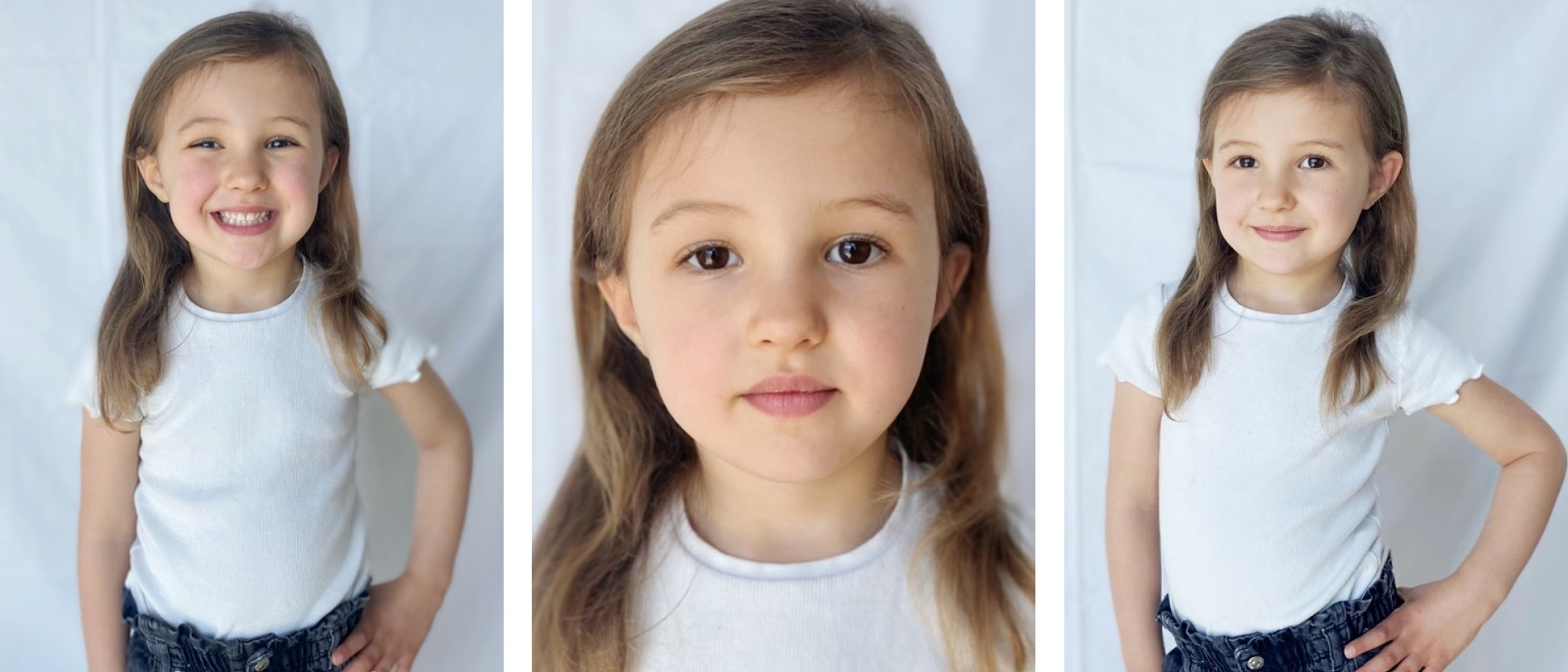
- Use clear natural light with a plain, neutral background.
- Keep background noise to a minimum.
- Position the camera at eye level and keep it steady.
-
Who’s on Camera
- Only the child requested should appear in the tape.
- Parents may assist off-camera for babies and toddlers.
-
Introduction
- Full name, age and represented by Sandra Reynolds Juniors.
- For very young children, a parent may prompt or state details clearly.
-
Lines / Dialogue
- Film the introduction and script separately unless instructed otherwise.
- Keep delivery natural and age-appropriate.
-
Presentation
- Clean, ironed, neutral clothing.
- No bold logos or bright prints.
- Hair is natural and tidy.
- No makeup.
-
Before Sending
- Watch the video back for a final check.
- Label the file with your child’s full name.
- Submit before the deadline and notify your booker.
- Optional: A simple, polite sign-off at the end can leave a positive impression.
YOU DO NOT NEED EXPENSIVE EQUIPMENT
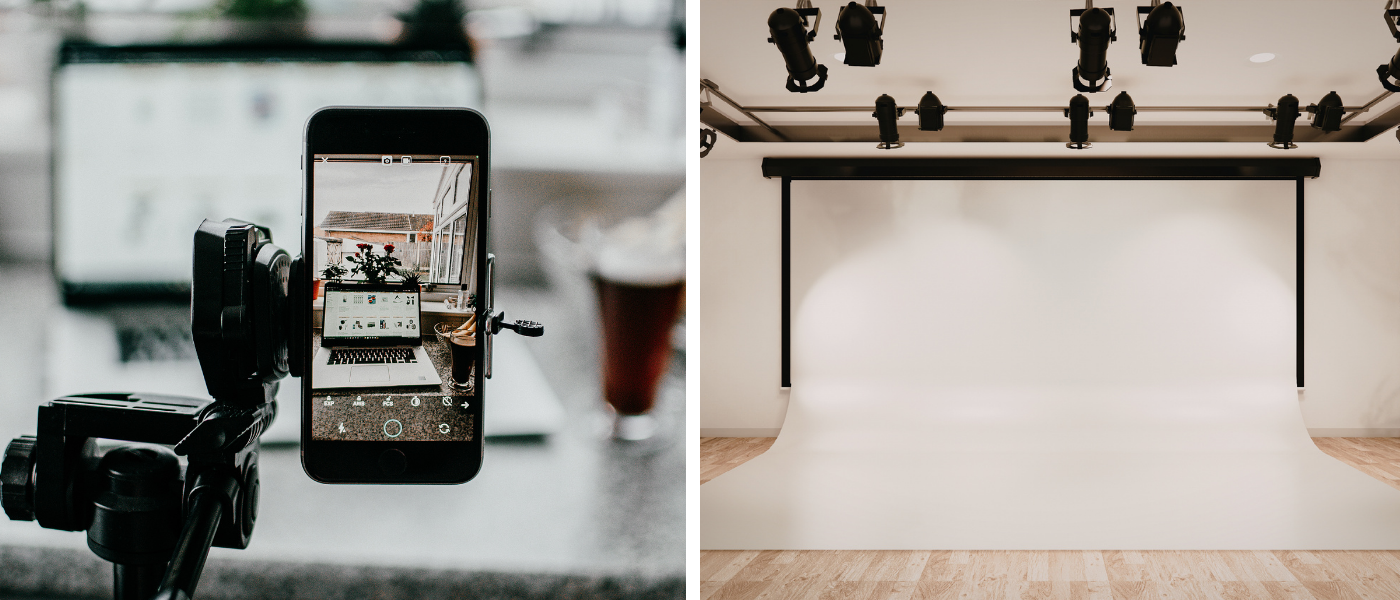
One of the most common misconceptions about self-tapes is that they must be filmed using specialist cameras or with studio lighting; however, in reality, a modern smartphone or tablet is more than sufficient. Casting teams are not looking for cinematic production quality; they just need to see and hear your child clearly. Always film in landscape (horizontal) orientation unless your booker has specifically requested portrait orientation, as this ensures the video displays correctly when reviewed alongside other submissions. Before you begin filming, take a moment to check that the camera lens is clean, the battery is well charged, and there is sufficient storage space available, as these small details can prevent unnecessary stress.
LIGHTING AND BACKGROUND MAKE A BIG DIFFERENCE
Good lighting is one of the most important elements of a successful child self-tape, as casting directors need to see your child’s face clearly to assess their expressions and performance. Natural daylight is usually the most flattering and effective option, so positioning your child facing a window can create soft, even lighting across their face. It is important to avoid placing them with a window directly behind them, as this will create a silhouette effect and make their features difficult to see. If natural light is limited, simply switching on additional lamps to brighten the room evenly can make a significant improvement.
In terms of background, simplicity is best. A plain, neutral wall is ideal, as busy patterns, family photographs or clutter can distract from the performance. The focus should always remain on your child. Having your child sit on a simple stool or chair can also help maintain good posture, as sofas often encourage slouching or fidgeting, which can be distracting on camera.
CLEAR SOUND IS JUST AS IMPORTANT AS CLEAR VISUALS
While lighting tends to receive the most attention, sound quality is equally important. Casting teams need to hear your child’s voice clearly, particularly if they are delivering lines. Before filming, turn off televisions, music and any background noise, and if possible, close windows to reduce traffic sounds. Holding the phone steady or using a tripod will prevent shaky footage, allowing the viewer to focus entirely on your child’s expressions and delivery rather than the movement of the camera.
CHOOSING THE RIGHT OUTFIT
Unless your booker has provided specific wardrobe instructions, it is best to dress your child as though they are attending an in-person casting.
Clothing should be clean, ironed and neutral in tone, avoiding bright colours, large logos or bold patterns that may draw attention away from their face. Hair should be freshly washed and styled naturally, and makeup is not necessary for children, as casting teams always prefer to see them looking age-appropriate and authentic. The aim is to present your child clearly and professionally, without over-styling.
FOLLOW THE BRIEF CAREFULLY
Each casting brief may differ slightly, so read all instructions carefully before filming. If lines have been provided, help your child practise until they feel comfortable and confident, but avoid over-rehearsing to the point that delivery feels unnatural. Casting directors are looking for genuine personality and a sense of ease, rather than perfection.
If an introduction is requested, this should usually include your child’s full name, age and representation, for example, stating that they are represented by Sandra Reynolds Juniors. For babies and toddlers, it is fine for a parent or guardian to gently prompt them or provide these details on their behalf. Where dialogue is required, it is often helpful to film the introduction and the scripted lines separately, unless the brief states otherwise.
KEEP THE ATMOSPHERE RELAXED
The strongest self-tapes are those that feel natural and unforced. Encouraging your child to enjoy the process will always produce better results than placing them under pressure. If they seem tired, distracted or frustrated, it is perfectly fine to pause and return to it later. A calm and familiar environment helps children feel more comfortable, which in turn allows their personality to shine through on camera.
RECORD THE SELF-TAPE IN GOOD TIME
Casting deadlines are often tight, and decisions can be made quickly once submissions begin arriving. For this reason, it is important to film and return the self-tape as promptly as possible. Let your booker know when it has been sent so it can be forwarded to the client without delay. Submitting early ensures your child’s tape is viewed while the casting team is still actively reviewing options.
A FINAL NOTE FROM TEAM SR
Self-tapes are an excellent opportunity for casting teams to see your child’s personality in a relaxed and familiar setting, and over time, the process becomes far more straightforward. Confidence and authenticity are far more important than perfection.
If you have any general queries about auditions or representation, you may also find our FAQs for parents useful. And if you are ever unsure about a specific self-tape brief, please contact your booker at Sandra Reynolds Juniors, who will always be happy to guide you through the process.




 view lightbox