

 view lightbox




Above All We Want To Work With Nice People
written by
Tessa Dewing

ABOVE ALL, WE WANT TO WORK WITH NICE PEOPLE
By Tessa Dewing, Managing Director of Sandra Reynolds and host of The Business of Modelling podcast
Watching the recent Netflix documentary Reality Check: Inside America's Next Top Model, which revisits America's Next Top Model and its creator and host Tyra Banks, highlighted something that feels fundamental in our industry: kindness.
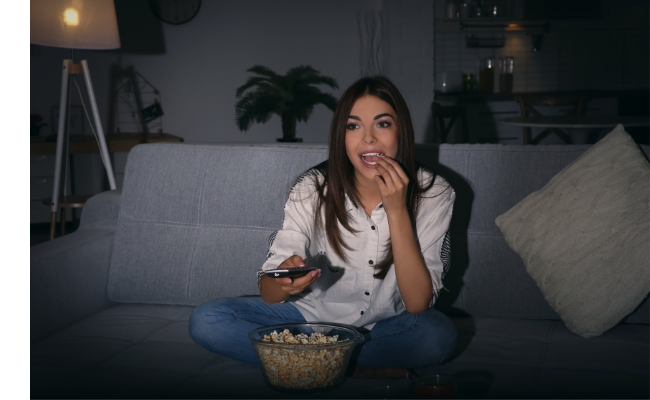
I remember watching ANTM occasionally years ago, as well as other reality competition programmes of that era, including The X Factor. I understand their appeal. They offer opportunity and visibility to people who would never normally have access to those platforms and, for a small number, they genuinely change lives. But they also rely on pressure and confrontation. They are built around moments that are deeply uncomfortable for the contestants involved. Even at the time, I remember scenes that were hard to watch. Looking back now, with the benefit of maturity and industry experience, some of those moments feel even more unsettling.
Over the past two decades, reality television has often pushed those boundaries further. As audiences, we have become more accustomed to heightened emotion and conflict, which in turn has encouraged producers to create increasingly intense scenarios to maintain viewing figures. The Reality Check documentary revisits a number of those incidents on ANTM. Former contestants speak about the intensity of the environment, controversial photoshoots and emotionally charged exchanges that were presented as necessary for growth. The well-known confrontation between Tyra and contestant Tiffany Richardson is shown again, with Tyra acknowledging that she went too far. Other contributors reflect on how certain production decisions were made in pursuit of impact rather than care.
What struck and saddened me most was the contrast at the beginning of the documentary. Tyra speaks about how hard it was for her as a young model. The rejection and the tone in which feedback was delivered. The resilience required to survive those early years. Anyone who has worked in this industry can relate to that vulnerability. Yet when the power dynamic reversed and she was leading a room of young women who were equally exposed and ambitious, the empathy was not always visible. Watching it back now raises a simple question. If you have experienced the harsher side of this industry, does that make you more thoughtful when you hold the power?
To be clear, I think Tyra Banks has done brilliantly. She is driven, intelligent and has built an extraordinary career across modelling, television and business. She broke barriers and created opportunities for many. It is also important to recognise that a programme of that scale involves producers, editors and a wider production team. Not every decision sits with one individual. That said, leadership still shapes tone. When you are the figurehead of a project, your presence and your reactions carry weight.
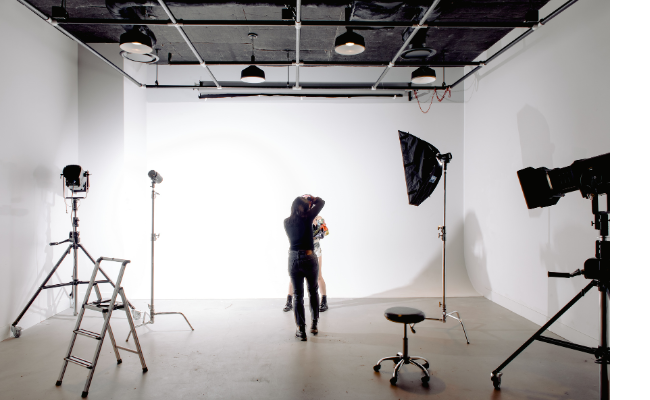
That approach is no longer sustainable and, thankfully, most people on set today do not feel the need to lead with ego in the way that was often tolerated in the past. Today, a single job involves a chain of trust that runs from the agency to the casting director, to the producer, to the client and back again. When we put a model forward, we are putting forward our judgement. If they arrive late, unprepared or disrespectful, it does not just affect that booking. It reflects on everyone in the chain who endorsed them. At Sandra Reynolds, if someone is exceptionally good-looking but difficult to work with, we will not represent them. It does not matter who they have previously worked with or the campaigns they may have done. It is not worth risking long-standing relationships for the sake of a name or a face.
Being nice in this context is not about being overly agreeable. It is about professionalism and basic respect. A set works properly when people value one another’s time, skill and role within the team. Everyone is there to do a job, and jobs depend on trust. There is also a responsibility that comes with experience. Those who have been in the industry longer should be setting the tone. That includes mentoring younger members of the crew and helping them feel confident in what can already be an intimidating environment. If someone is new and nervous, having to tread carefully around more powerful personalities or endure constant criticism does not build resilience. It undermines confidence.
What is interesting is that this reassessment is happening beyond one documentary. Over recent seasons at London, Paris, and New York Fashion Weeks, conversations around model welfare and backstage standards have become more visible. The British Fashion Council continues to reinforce health and wellbeing guidelines, and there is greater awareness around safeguarding younger models, clearer casting processes and more structured backstage environments.
A strong example of that is the work of Greg Chan and his initiative The Supermodel Project. Greg, who joined me on The Business of Modelling podcast last year, founded The Supermodel Project as a nonprofit organisation designed to support models in practical and meaningful ways. During New York Fashion Week it operates a dedicated NYFW Model Suite, creating a space where models can connect, access resources and focus on wellbeing in the middle of what is often an exhausting schedule.
The reality television formats of the early 2000s reflected a different cultural moment. The cost of those environments for some participants is still being unpacked. For the winners, the platform could be transformative but, for others, the public scrutiny and pressure may have left a more complicated impact. Not everyone thrives under that level of exposure, particularly at a young age. As an industry, we now speak openly about wellbeing, safeguarding and long-term career management. We discuss AI, digital likeness rights and fair contracts. Those conversations are important, but they do not replace basic decency.
Clients repeatedly tell us that reliability and attitude are what keep them returning to the same talent. They remember the actor who kept the atmosphere steady when the shoot was not going to plan, or the model who stayed afterwards to help load the van. They also remember when that did not happen.
Watching the Netflix documentary has reinforced how far expectations have moved and how necessary that shift is. If you were treated harshly at the beginning of your career, that experience should inform how you lead when you are in a position of influence. Reputation remains one of the few things in this industry that does not fluctuate with trends. In a business built on relationships, how we treat one another continues to matter more than anything else.
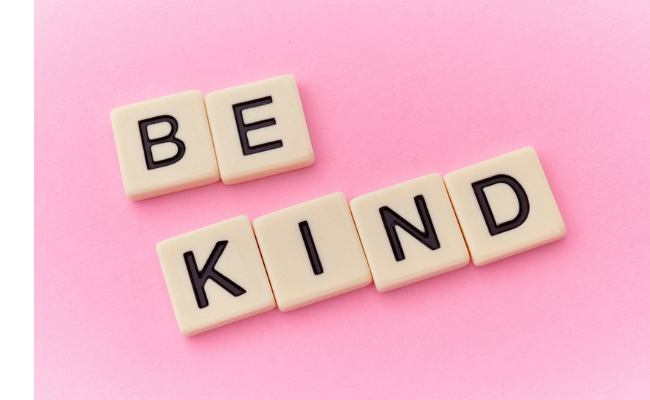
Above all, we all want to work with nice people.
share post





written by Tessa Dewing

get in touch with the booking desk
020 7387 5858 send an email subscribe to our newsletter live chat using the icon below